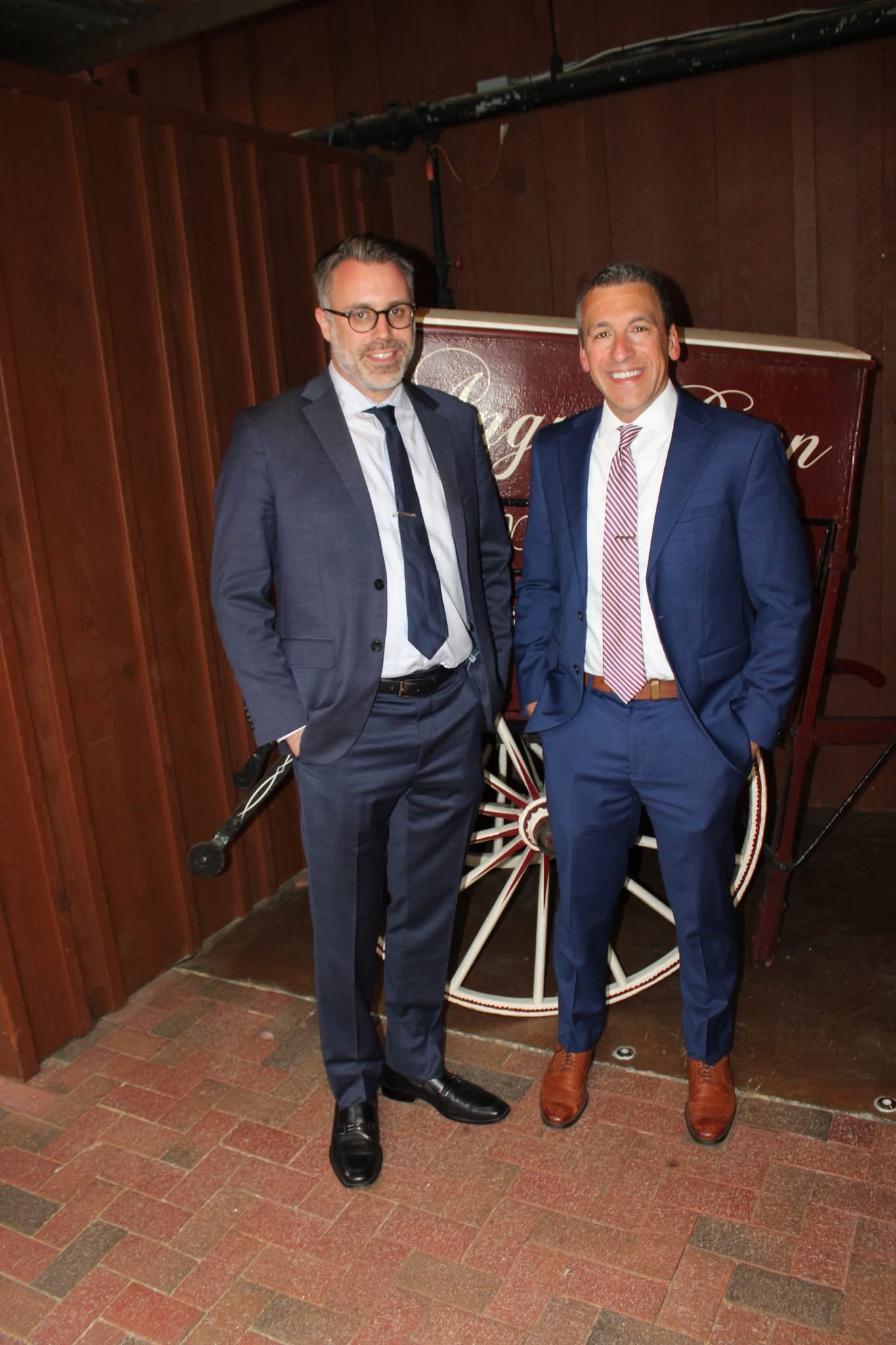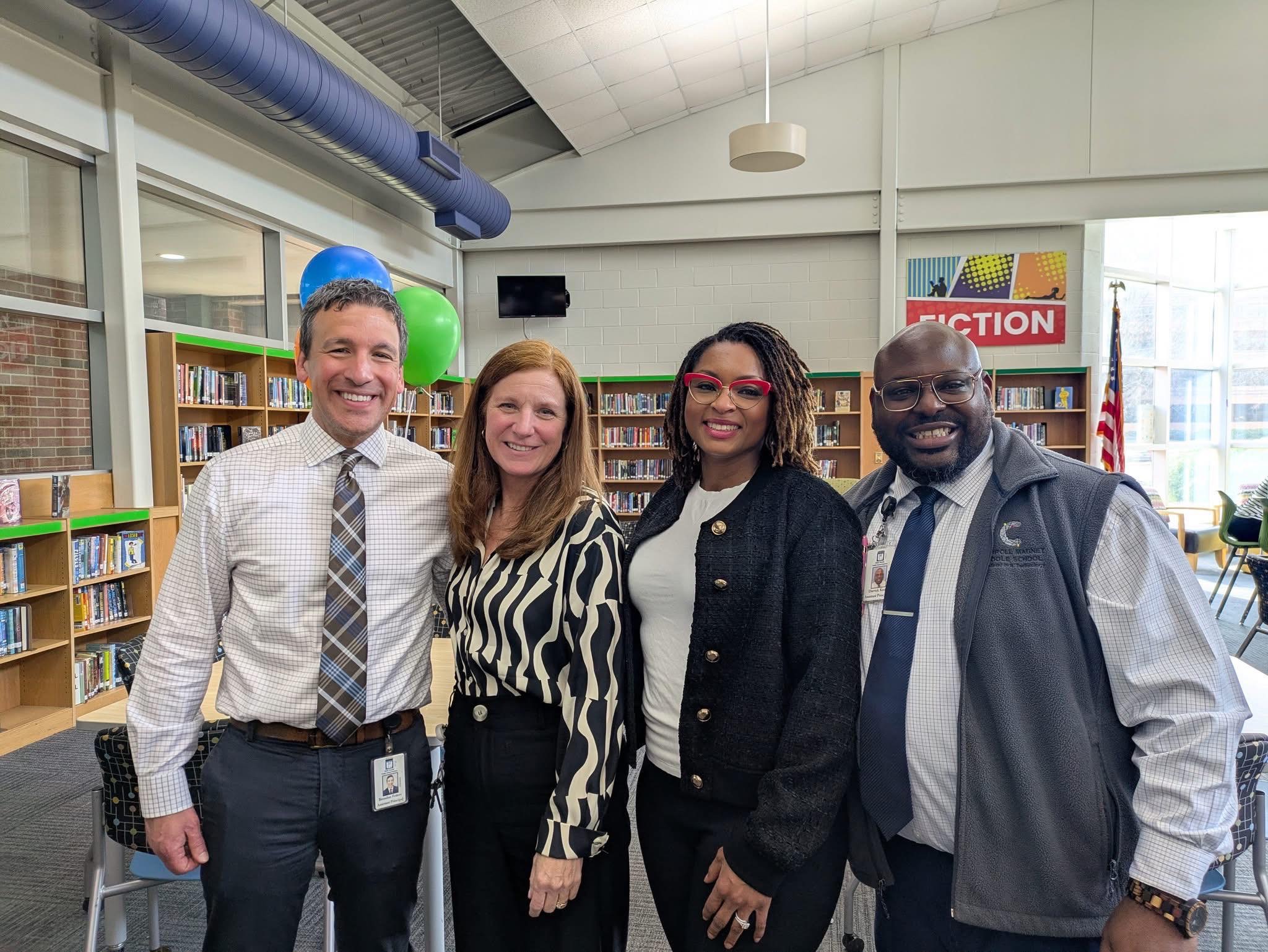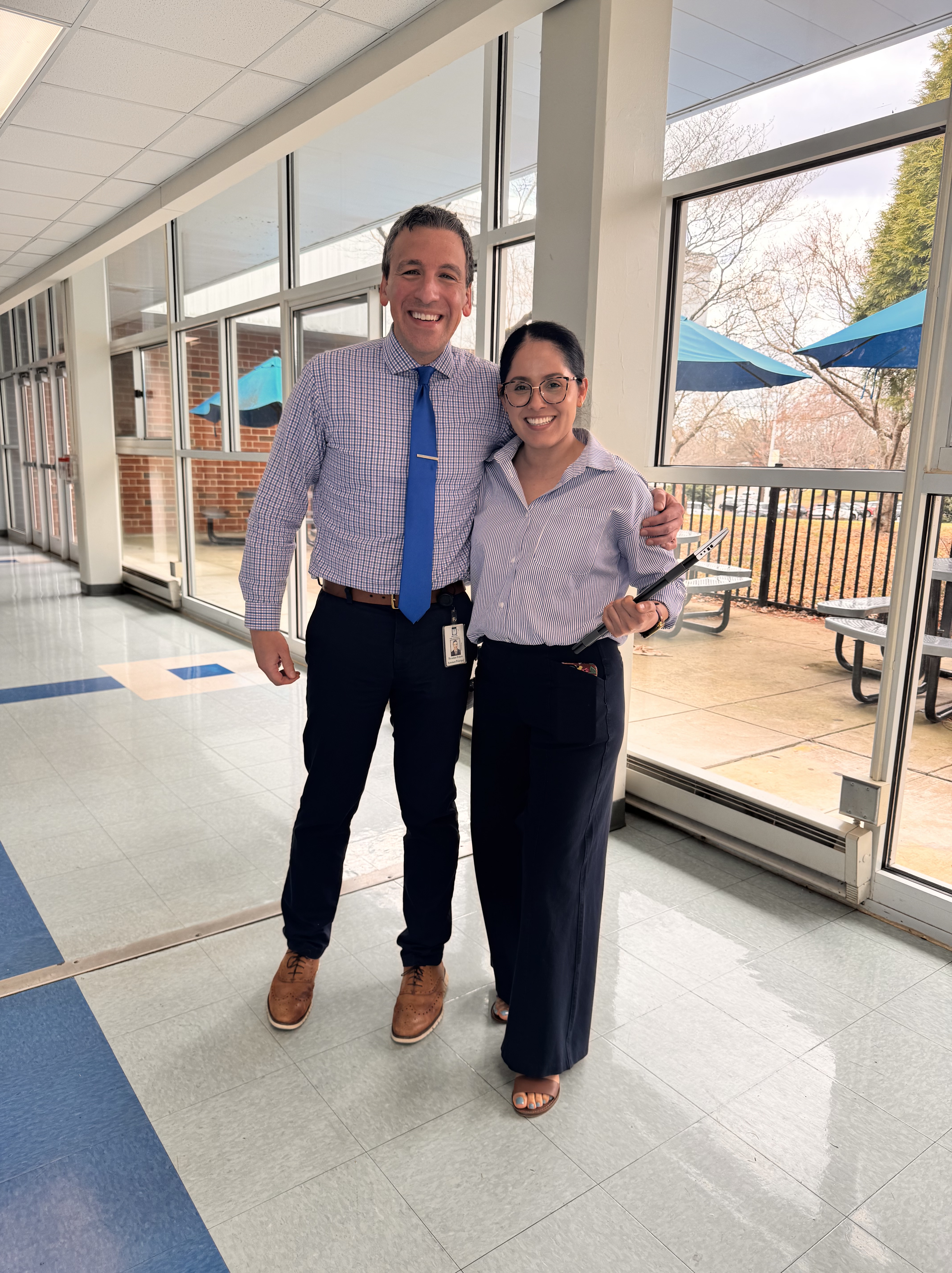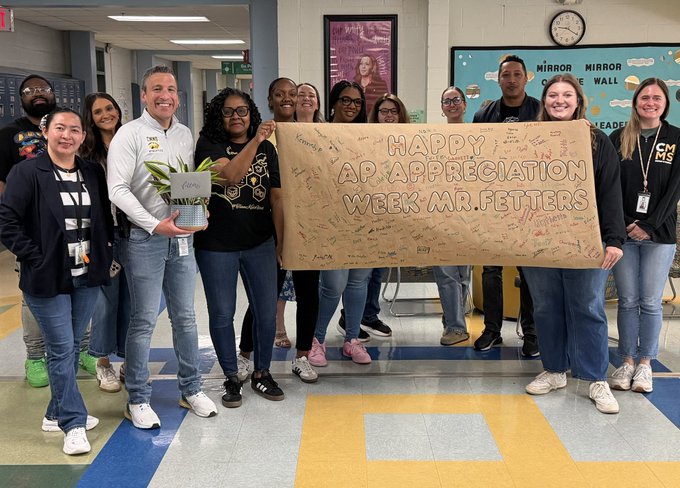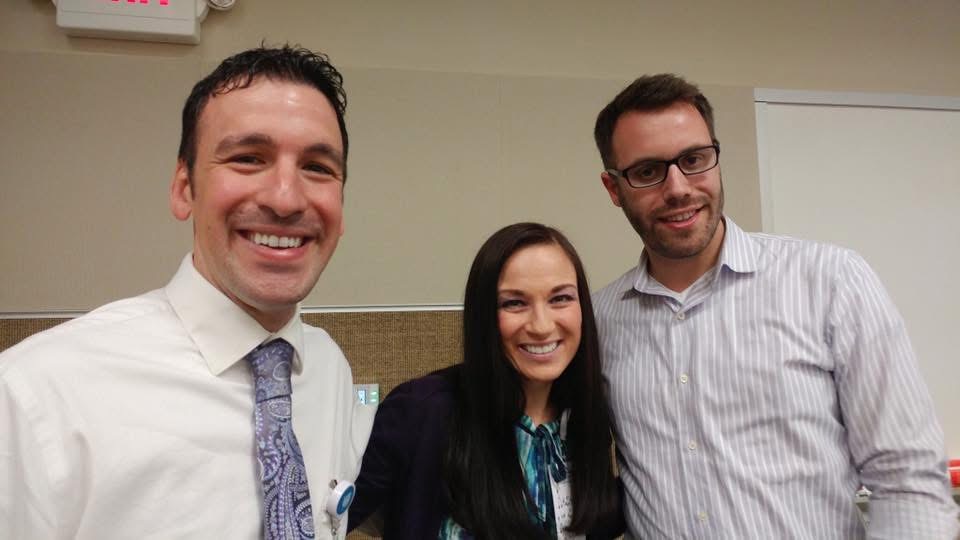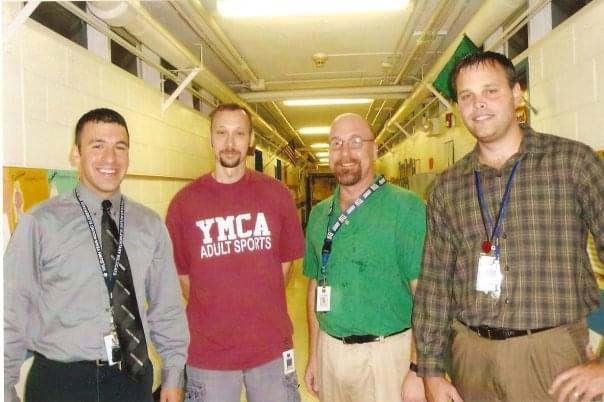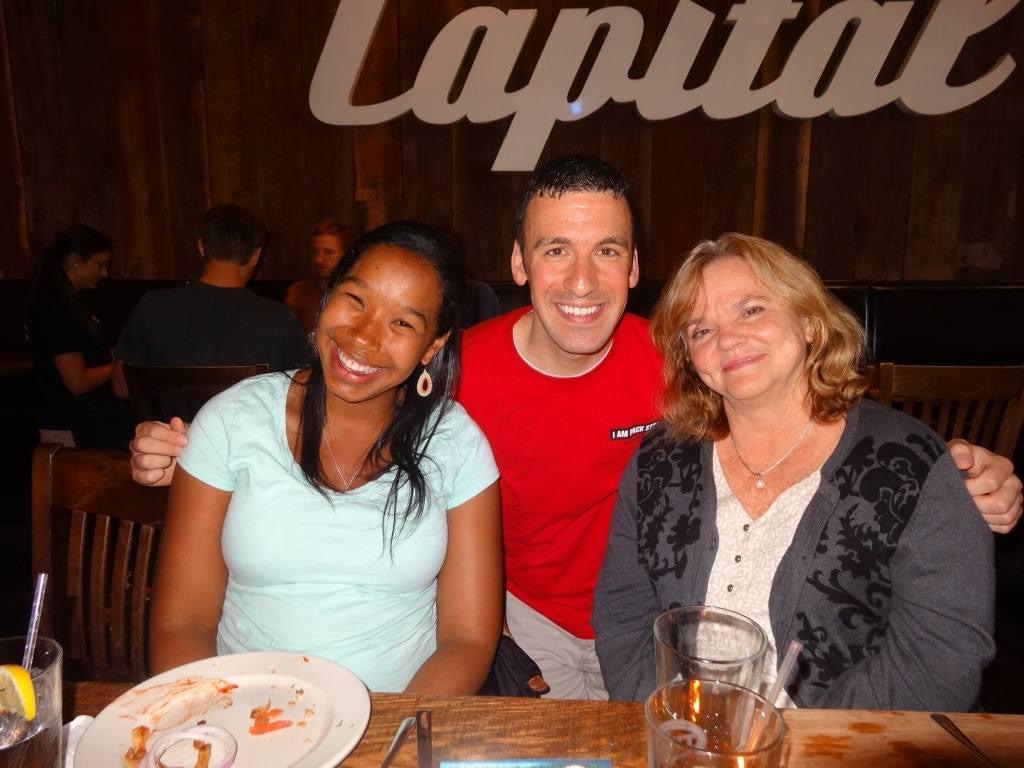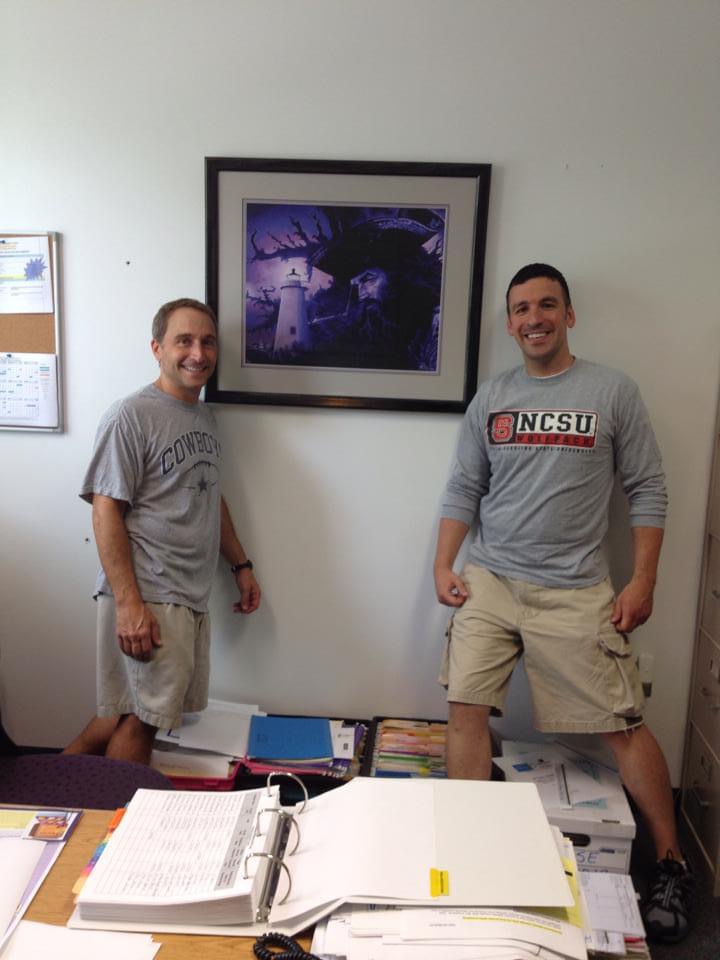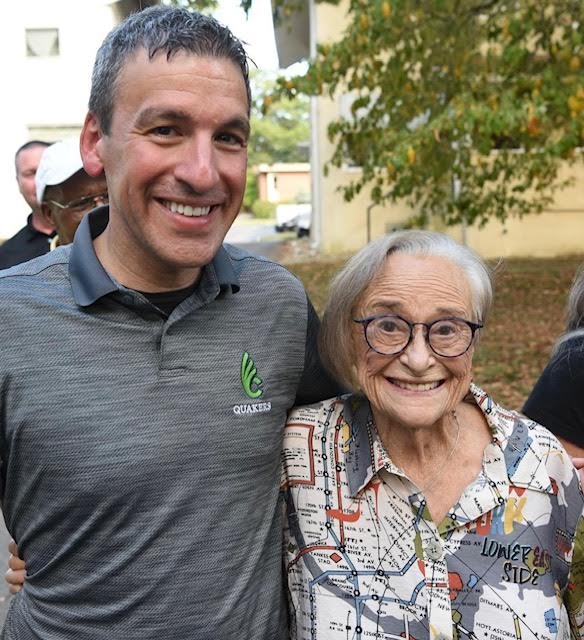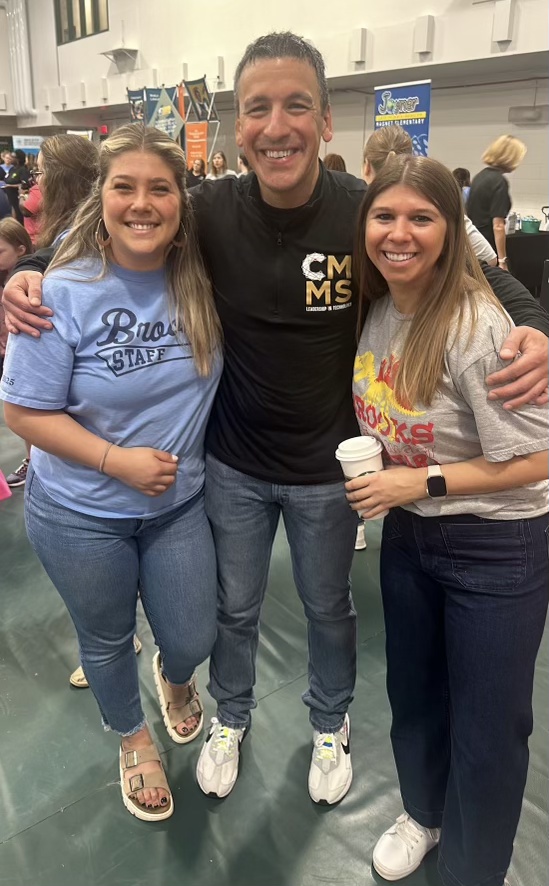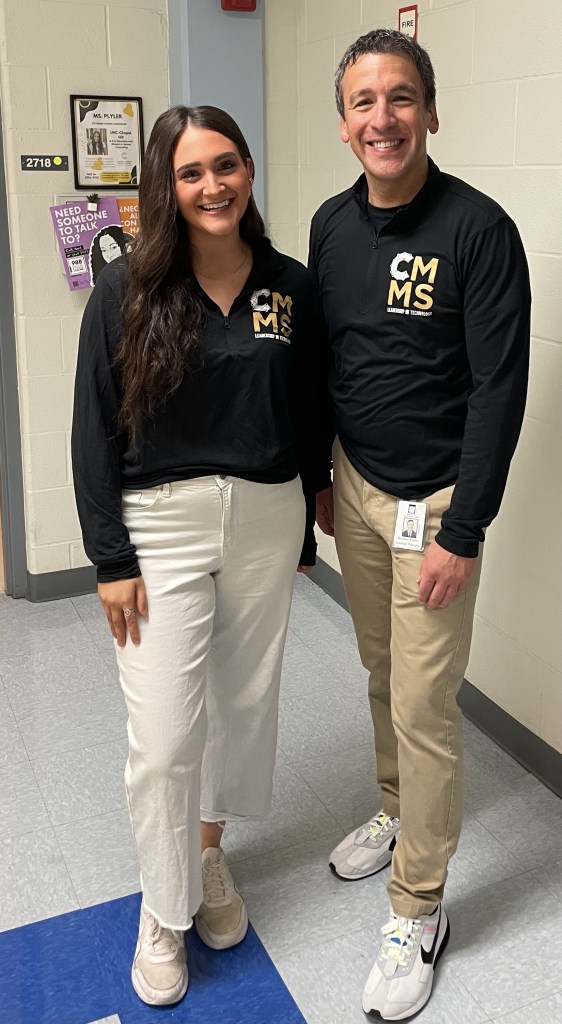
There is something interesting about looking back at who we were 20 years ago.
At 25, I was brand new to North Carolina, brand new to my district and still a few years into my career in public education. I was learning a new community, building relationships and trying to figure out where this next chapter of life would take me.
My lens was completely different. A fresh young adult from small town Ohio teaching third grade in one of the largest school districts

I was eager. I was ambitious. I wanted to make a difference and prove myself. I was excited about the opportunities ahead and ready to embrace whatever challenges came next.
What I did not fully understand at the time was how much the people around me would shape this journey.
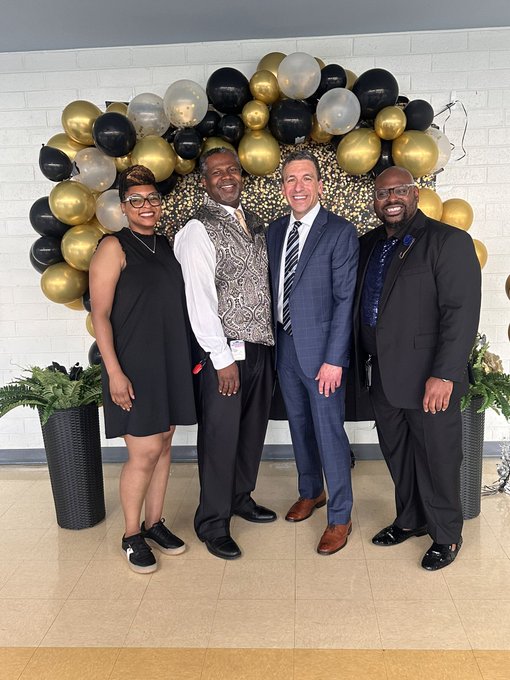
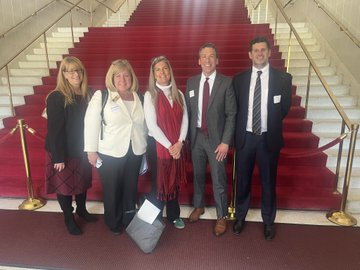
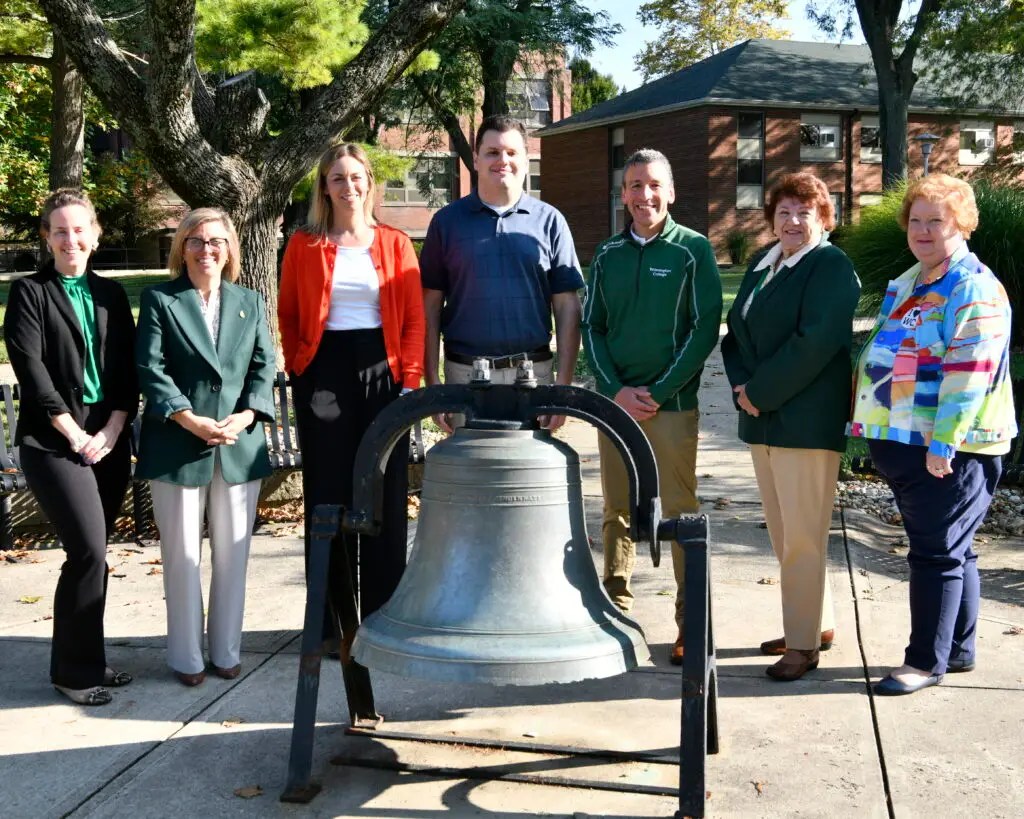
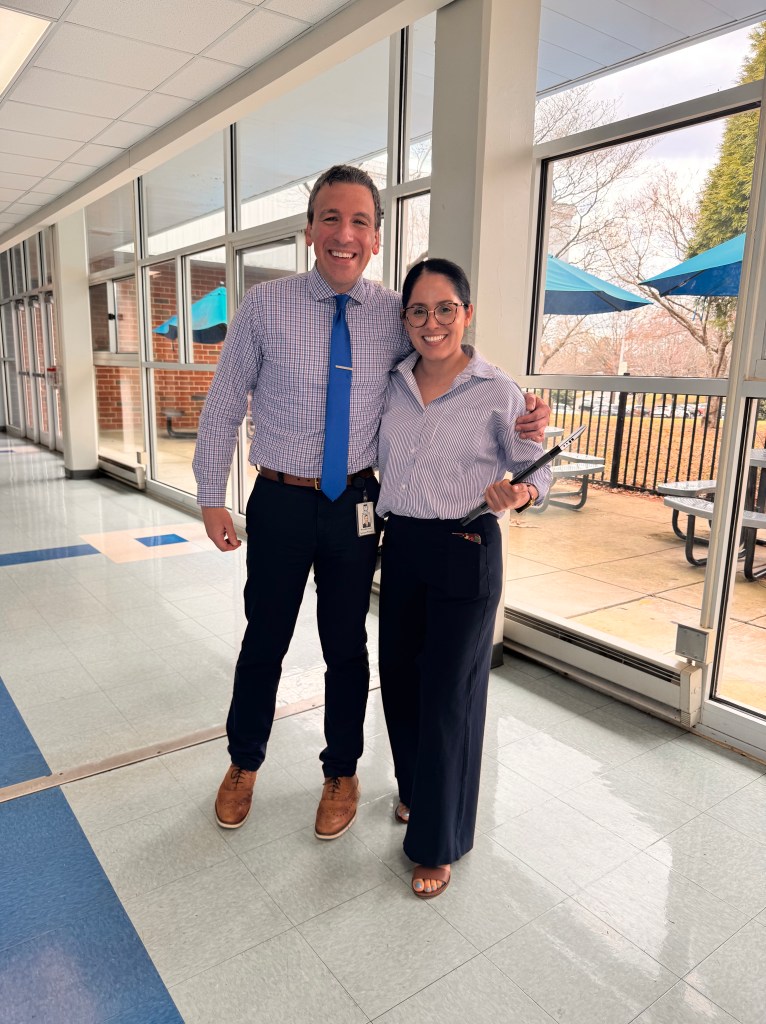
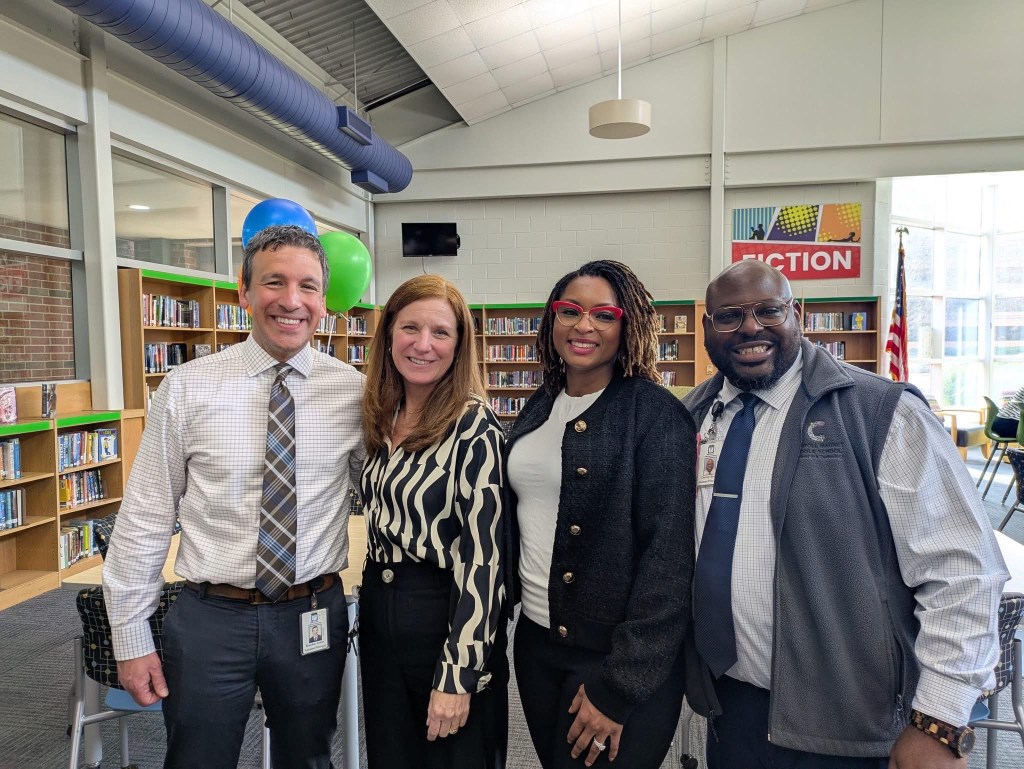
Those early colleagues welcomed me in, invested in me and helped make a place that was unfamiliar start to feel like home. They shared their knowledge, offered encouragement and reminded me that even in a new place, you are never truly starting over when you are surrounded by good people.
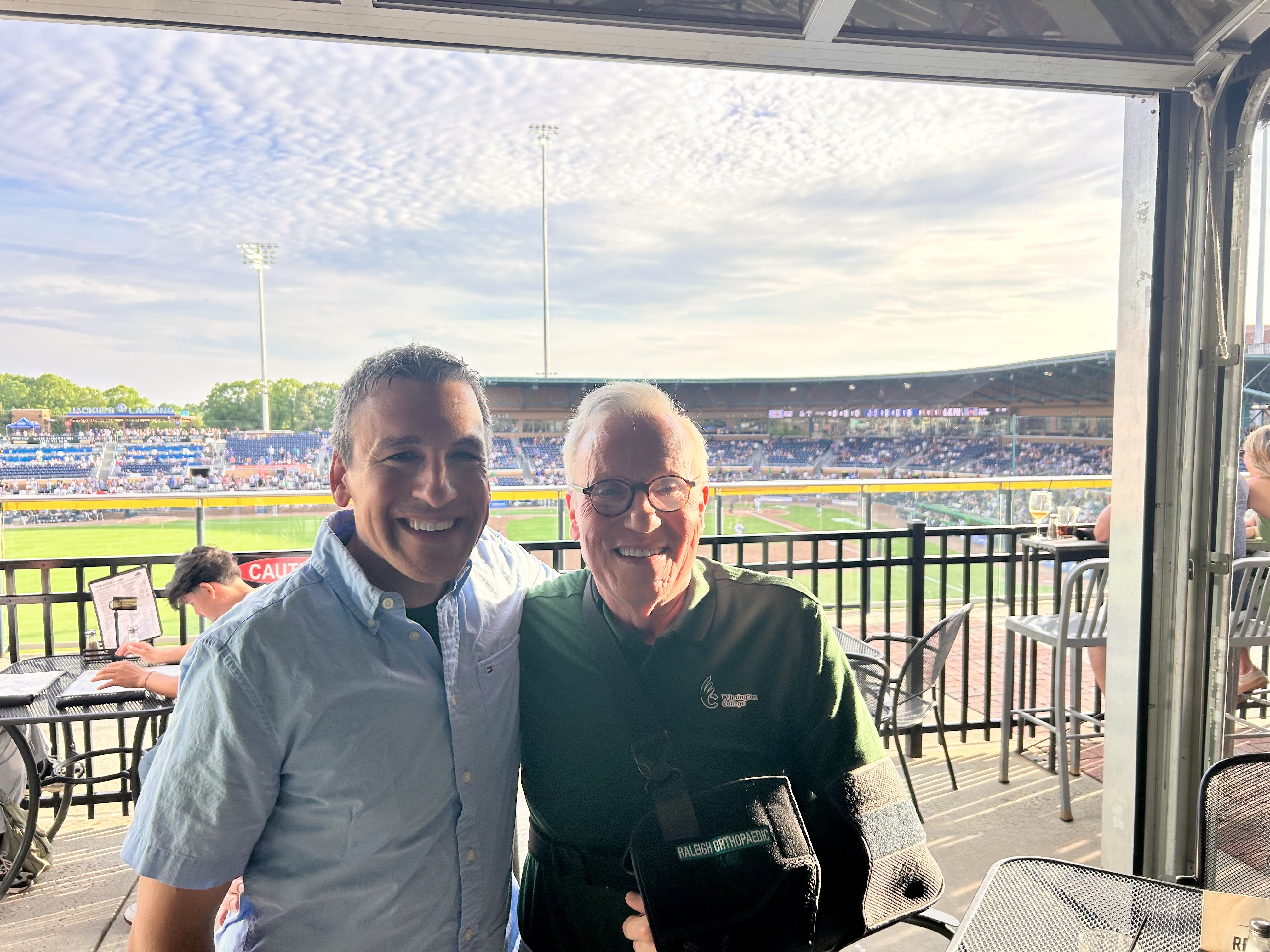
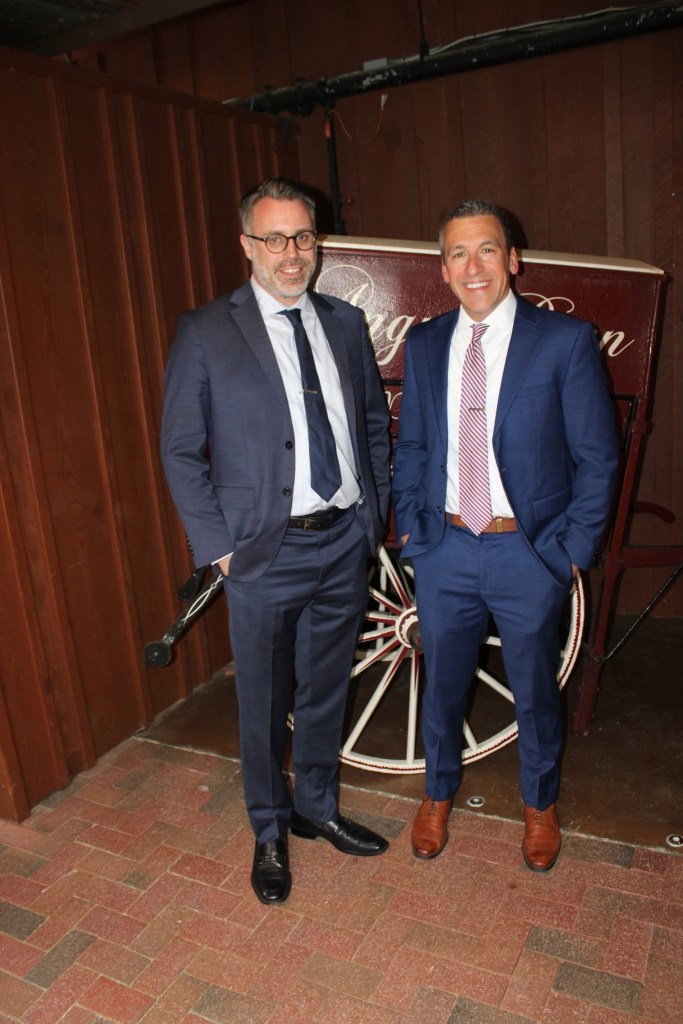
Many of those relationships began as professional connections but became so much more. More than 20 years later, some of those same people are still lifelong friends, even though our careers have taken different paths and life has brought us different experiences. We have celebrated successes, supported each other through challenges and watched each other grow through different seasons of life.
Looking back, those relationships were one of the greatest gifts of starting over somewhere new.
At that point in my life, I thought success was measured by progress. The next opportunity. The next accomplishment. The next milestone. I was focused on building a career, establishing myself and finding my place in a community that was still new to me.
And there is nothing wrong with that mindset. In many ways, that drive helped shape who I became.
But time has a way of changing your perspective.
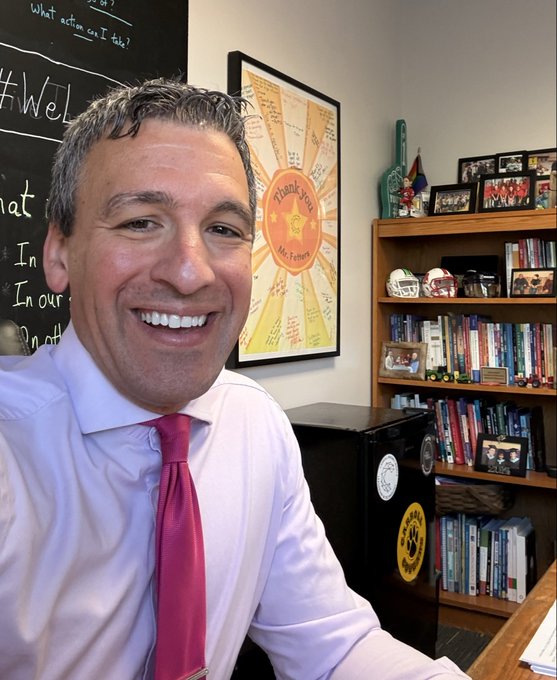
At 45, I still have ambition. I still have goals. I still believe there is more ahead. But I measure success differently than I did two decades ago.
I care less about what is visible and more about what is meaningful. I care less about proving myself and more about being present. I care less about the next accomplishment and more about the impact left behind.
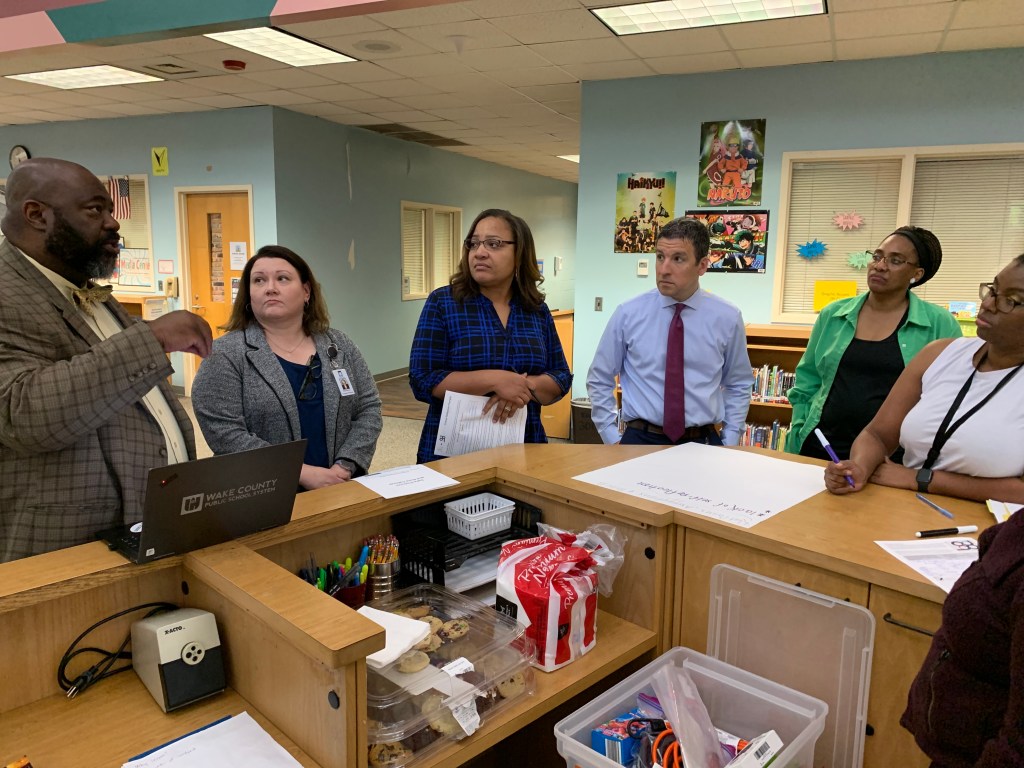
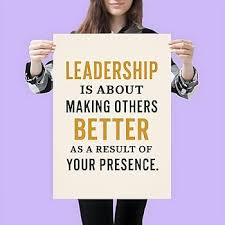
Early in my career, growth often meant moving forward. It meant learning more, taking on new challenges and continuing to build a career. Those things still matter. But after more than 20 years in education, I have learned that leadership is not defined by a title, a position or a role.
It is defined by the people who are better because you were part of their journey.
The moments I remember most are not always the accomplishments that can be listed on a resume. They are the conversations. The student who needed someone to believe in them. The teacher who needed encouragement. The colleague who stepped into leadership because someone saw potential in them.
The older I get, the more I realize leadership is not about being the person in front of the room. It is about helping others find the confidence to step into the room themselves.
I have also learned that being busy is not the same as being successful.
At 25, I often measured progress by how much I could accomplish. A full schedule felt like momentum. Taking on more responsibilities felt like growth.
And while hard work and commitment are important, I have learned that some of the most meaningful moments in life do not happen between meetings or on a calendar.
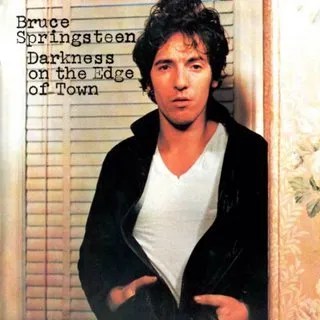
A conversation over coffee. A long workout. A quiet evening at home. A record spinning in the background. Time spent with people who matter.
Those moments are not distractions from life. They are life.
Over the years, I have become much more intentional about creating space to disconnect and recharge. Not because I care less about the work, but because I understand that taking care of myself allows me to continue showing up for others.
I have also learned there is freedom in no longer needing everyone to understand your path.
At 25, I was building a life in a place that was still new to me. I had left what was familiar, moved away from where I grew up and was creating a future that looked different from what I had known.
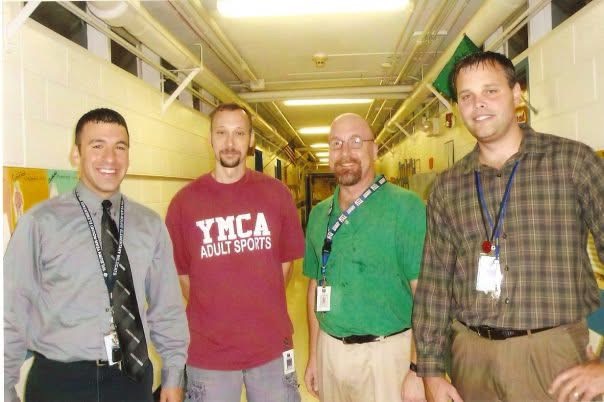
I did not have every answer. I simply knew I was ready for something different.
Looking back, some of the best decisions in life are not always the ones that make the most sense on paper. They are the ones that align with who you are becoming.
There is a difference between seeking approval and seeking alignment.
The older I get, the less interested I am in convincing people that my choices make sense. I am much more interested in making sure they make sense for the life I am building.
Perhaps the biggest lesson I have learned is that relationships matter more than accomplishments.
The degrees, promotions, awards and milestones are meaningful. They represent hard work and commitment. But the things I value most are the people who have walked alongside me.
The mentors who invested in me. The colleagues who became friends. The students who reminded me why this work matters. The people who showed up during both the exciting seasons and the difficult ones.
No accomplishment means as much without people to share it with.
At 25, I thought life was about becoming someone.
At 45, I realize it is about becoming more fully myself.
I still have goals. I still have ambition. I still believe some of the best chapters are ahead.
But success looks different now.
It is found in meaningful relationships. In work that matters. In being present. In staying true to who I am while continuing to grow.
The road ahead is still unfolding and thankfully there is still plenty left to learn.